
5 mm glass sheet
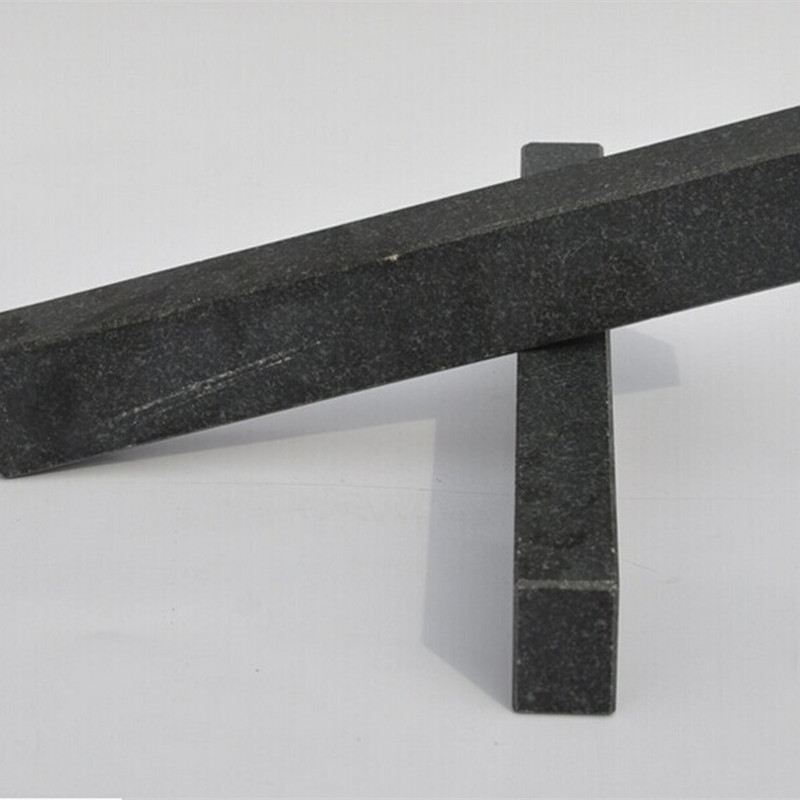
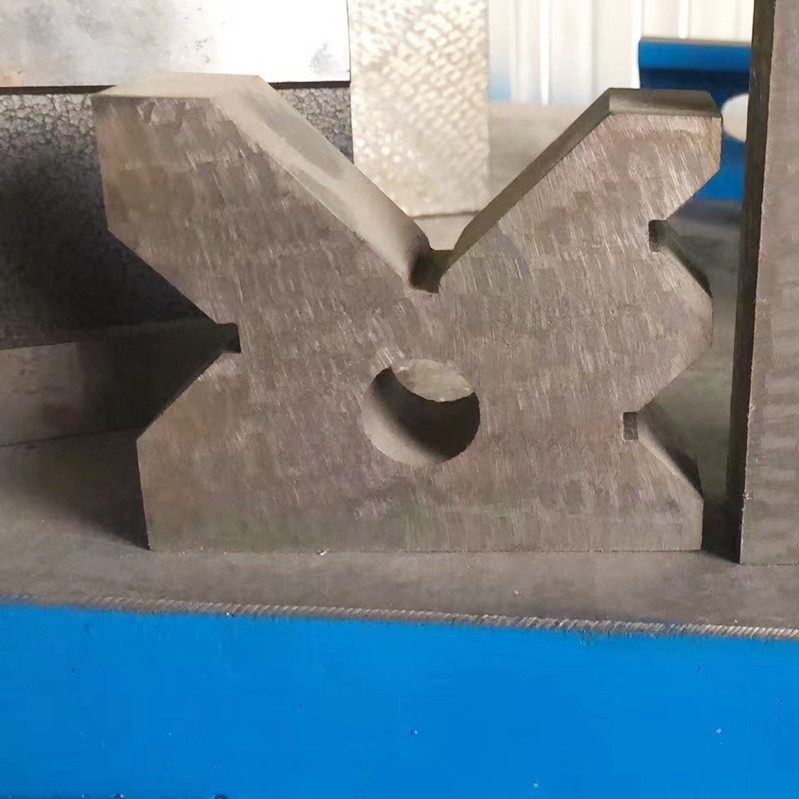
The Importance of Precision in Metal Fabrication A Closer Look at Protractors Metal fabrication is a vital industry that involves the creation of metal structures and parts through processes such as cutting, bending, and assembling. The accuracy of these processes is crucial, as any mistake can lead to significant errors in the final product, potentially compromising its structural integrity and functionality. This is where tools like the protractor come into play, serving as indispensable aids in ensuring precision during fabrication. The Importance of Precision in Metal Fabrication A Closer Look at Protractors When it comes to metal fabrication, achieving precise angles is often a critical requirement. For example, when fabricating structural frames or supports, the angles between different components must be exact to ensure that the entire structure remains stable and does not weaken over time. A protractor allows fabricators to measure these angles accurately, thereby mitigating risks associated with structural failures. metal fabrication protractor In addition to ensuring accuracy, the use of a protractor can significantly streamline the fabrication process. By providing a reliable means for measuring angles as metal pieces are being shaped and fitted together, workers can save time that would otherwise be lost to trial and error. This increased efficiency not only enhances productivity but also minimizes waste materials, as fewer mistakes lead to less scrap metal. Moreover, the precision achieved with the use of protractors contributes to the overall quality of metal products. High-quality fabrication often results in better-performing end-products, which can lead to increased customer satisfaction and repeat business. In industries where safety is paramount, such as construction and aerospace, the implications of precise metal fabrication cannot be overstated. In recent years, the integration of Computer Numerical Control (CNC) machines into metal fabrication has further underscored the importance of precision instruments like protractors. Even as technology advances, the foundational principles of measurement remain critical. CNC machines can perform complex tasks with incredible accuracy; however, they rely heavily on the initial input of precise measurements provided by tools like protractors and other measuring devices. In conclusion, the importance of protractors in metal fabrication cannot be overlooked. They play a vital role in ensuring accuracy, enhancing productivity, and improving the overall quality of fabricated metal products. As the industry continues to evolve, these traditional tools can seamlessly integrate with modern technology to create a more efficient and precise fabrication process. Whether through manual measuring or integrating with advanced machinery, the legacy of the protractor in metal fabrication remains a testament to the industry's commitment to precision and quality.
about
5 mm glass sheet
Pilot Check Valve in Hydraulic Systems An Overview The pilot check valve is a crucial component in hydraulic systems, playing an essential role in controlling fluid flow and maintaining system efficiency. Understanding the function and applications of pilot check valves can greatly enhance the performance of hydraulic systems in various industries. What is a Pilot Check Valve? A pilot check valve is a type of directional control valve that allows fluid to flow in one direction while preventing backflow. It is designed with a pilot mechanism that enables it to operate under specific conditions, ensuring that the flow is controlled based on the pressure differences across the valve. Typically, these valves consist of a body, a spring-loaded check mechanism, and a pilot port that can be actuated by a secondary signal or pressure source. Working Principle The functioning of a pilot check valve is primarily dependent on hydraulic pressure. When fluid is flowing in the intended direction, the pressure at the inlet side of the valve opens the check mechanism, allowing fluid to pass through. If an attempt is made to reverse the flow, the pressure on the outlet side prevents the check valve from opening, thereby stopping backflow. The pilot port plays a critical role in the functionality of this valve. When pressure is applied to the pilot port, it can override the spring tension and allow the valve to open momentarily, thus permitting flow in both directions. This unique capability enables pilot check valves to be used in applications requiring precision control of hydraulic fluid. Applications of Pilot Check Valves Pilot check valves are utilized in a variety of hydraulic applications, including 1. Hydraulic Actuators These valves are commonly used in hydraulic cylinders to ensure that the actuators can extend and retract efficiently without losing fluid pressure. 2. Mobile Equipment In construction and agricultural machinery, pilot check valves are integral for controlling the movement of hydraulic implements and attachments, ensuring stable operation. pilot check valve hydraulic 3. Industrial Machinery In manufacturing processes, these valves help to manage the flow of hydraulic fluid in assembly lines, optimizing production efficiency . 4. System Safety By preventing backflow, pilot check valves contribute to the safety of hydraulic systems. In scenarios where malfunction might occur, these valves safeguard against sudden pressure drops that could lead to equipment failure or accidents. Advantages of Pilot Check Valves The incorporation of pilot check valves into hydraulic systems offers several advantages - Flow Control They provide precise control over the direction and flow of hydraulic fluids, essential for effective system operation. - Efficiency With the ability to reduce energy loss by preventing backflow, pilot check valves enhance overall system efficiency. - Reduced Space Requirements By combining the functions of a traditional check valve with a directional control mechanism, pilot check valves can minimize the space needed for hydraulic system components. - Improved Response Times The pilot operation allows for faster response times in controlling fluid flow, critical in applications where timing is essential. Conclusion In conclusion, pilot check valves are integral to the design and operation of modern hydraulic systems. Their ability to control fluid flow directionally while preventing backflow makes them essential in various applications across industries. As hydraulic technology continues to advance, the importance of efficient and reliable components like pilot check valves cannot be overstated. For engineers and systems designers, understanding and effectively utilizing pilot check valves can lead to substantial improvements in system performance, reliability, and safety. Investing in high-quality pilot check valves can significantly impact overall operational efficiency, making them a worthwhile consideration for any hydraulic application.
-

High quality industrial productsagement

High quality industrial products
View Details -

Meet the diverse needs of customers

Meet the diverse needs of customers
View Details -

Strict quality control

Strict quality control
View Details -

Top raw materials

Top raw materials
View Details -

Trusted supplier

Trusted supplier
View Details
Our application



news and information
valve manufacturer
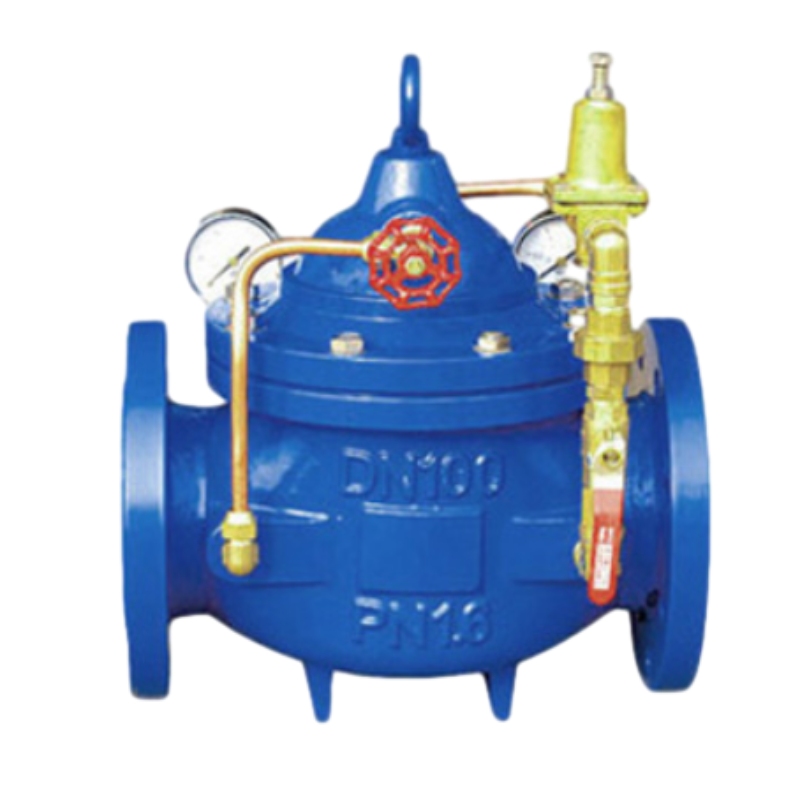
Navigating the landscape of valve manufacturers can be a challenging endeavor, particularly when sea
Various Types of Water Valves and Their Applications Explained
Understanding the Types of Water Valves A Comprehensive Guide Water valves are essential components
y type water strainer
Understanding Y-Type Water Strainers Functionality, Benefits, and Applications Water strainers are e
 English